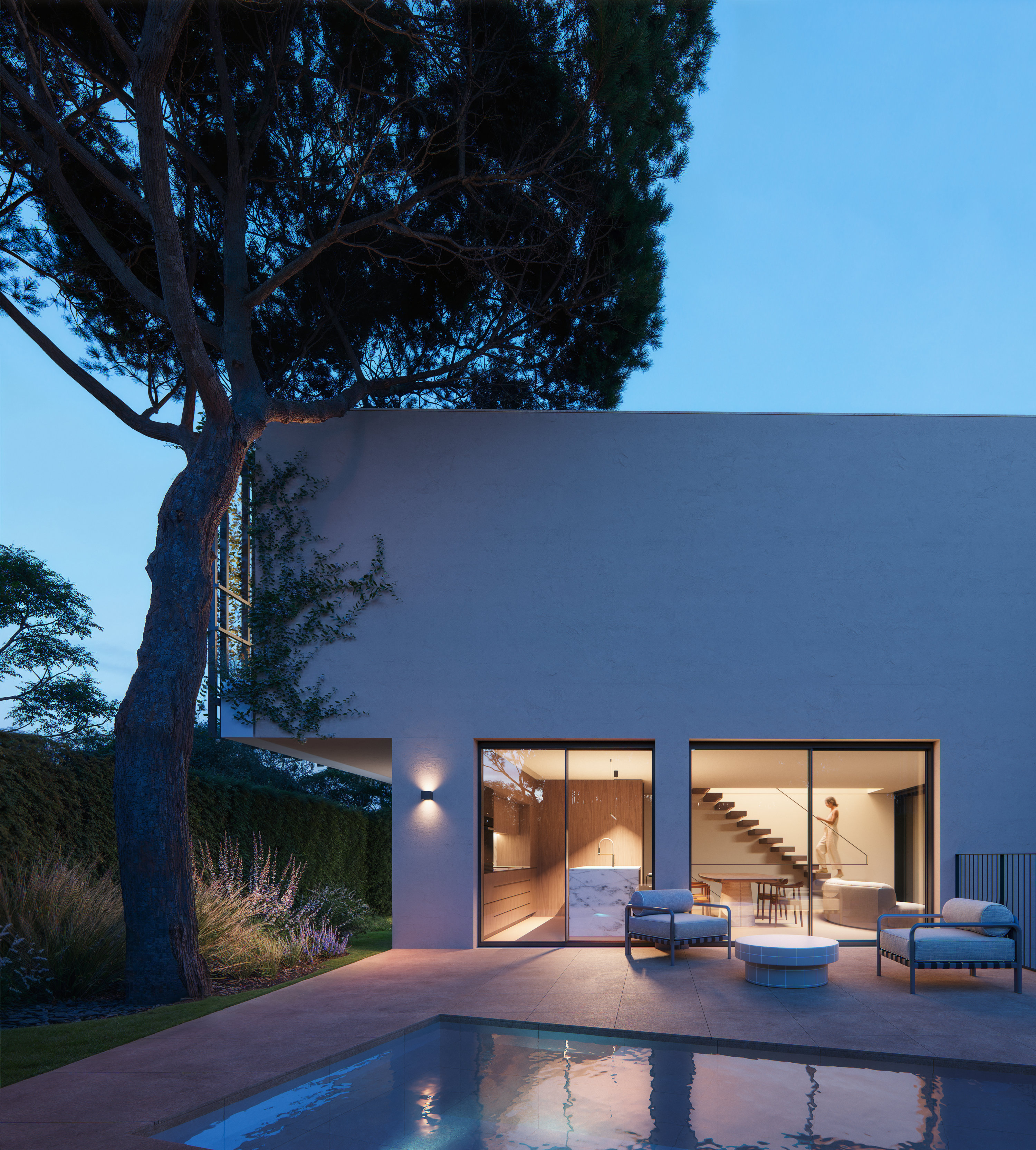
A perspective on architecture and human experience
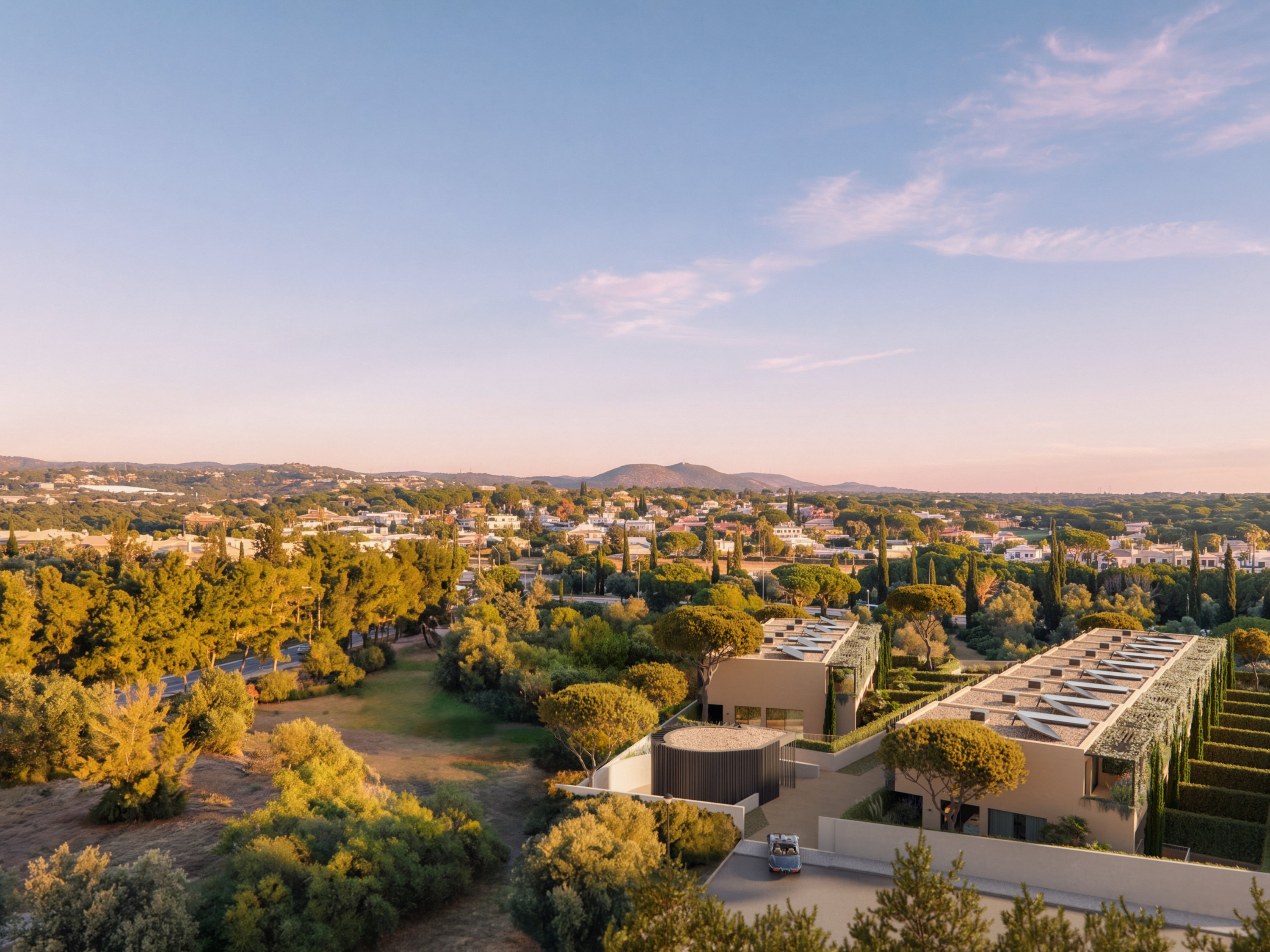
Thoughtful architecture rarely announces itself through spectacle. Instead it reveals its presence gradually through experience.
Architecture begins not with walls or materials, but with a question: how should a place be lived?
The answer rarely lies in form alone. It emerges through an attentive reading of the place: the movement of light during the day, the direction of wind, the presence of landscape, and the quiet rituals that shape everyday life. At its best, architecture does not impose itself upon these conditions. It grows from them, arranging space so that living becomes natural, fluid and attentive.
In this sense, the true material of architecture is not concrete, stone or timber. It is space itself, shaped to receive light, to frame views and to create moments of pause and movement throughout the day.
Space as Experience
Thoughtful architecture rarely announces itself through spectacle. Instead it reveals its presence gradually through experience: in the transition from exterior to interior, in the way a room opens toward landscape, or in the gentle protection offered by shade during the warmth of the afternoon.
These gestures may appear simple, yet they shape the atmosphere of a place in lasting ways. A terrace where morning light arrives softly, a living space that extends toward a garden, or a sheltered corner where the pace of the day slows down all become part of the invisible structure of daily life.
When these relationships are carefully considered, space acquires a quiet clarity. Movement feels intuitive and the dialogue between interior and landscape becomes effortless.
Living with the Landscape
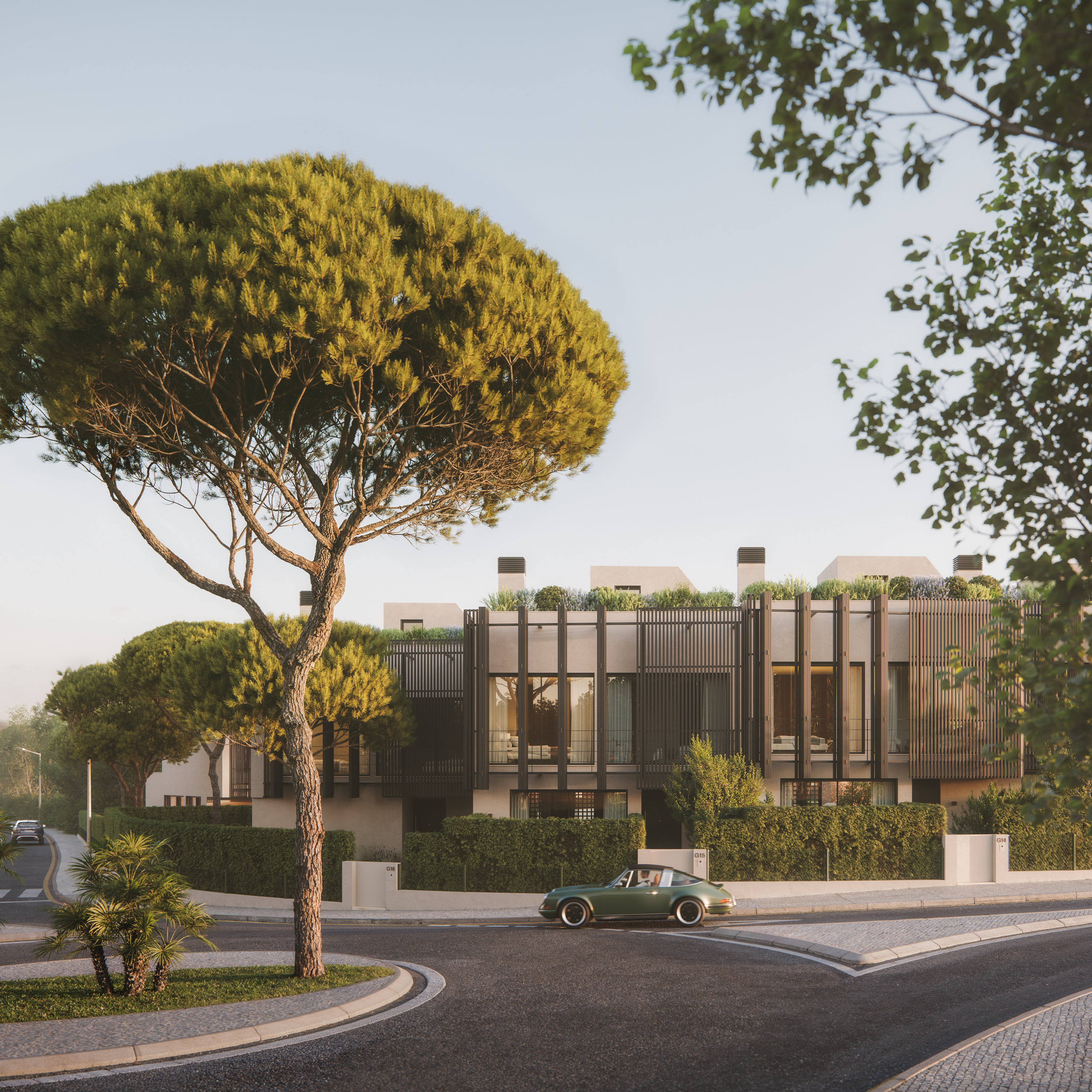
Every place carries its own character, shaped by climate, light and terrain. Sensitive architecture responds to these conditions rather than attempting to dominate them.
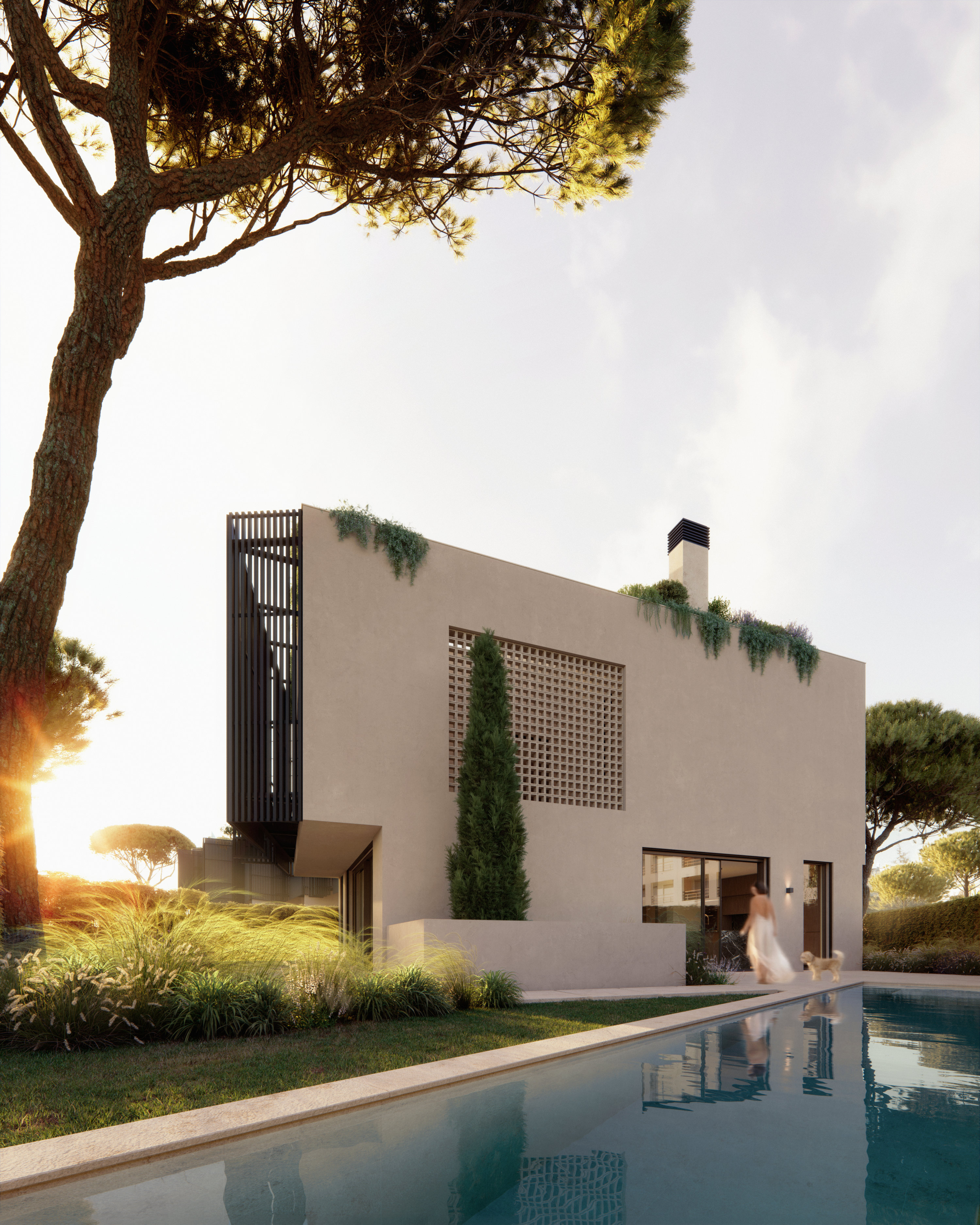
Openings are positioned to receive light at the right moment of the day. Walls offer protection without closing the horizon. Gardens and terraces extend living spaces outward, allowing the rhythms of nature to quietly enter everyday life.
Through these decisions architecture becomes less an object and more a framework for inhabitation — a setting in which shifting light, moving air and surrounding landscape participate in the experience of living.
Architecture and Everyday Life
The success of architecture is rarely measured through photographs or drawings. It reveals itself through the way people inhabit the spaces it creates.
When space is composed with care, daily life acquires a different quality. Light accompanies the rhythm of the day, rooms feel balanced and calm, and the presence of landscape becomes part of the domestic environment.
Architecture does not dictate how life should be lived. It offers a setting generous enough to support it, a place where ordinary moments gain quiet significance.
In this way architecture holds a subtle power: not only shaping the spaces we inhabit, but quietly influencing the way everyday life is experienced.