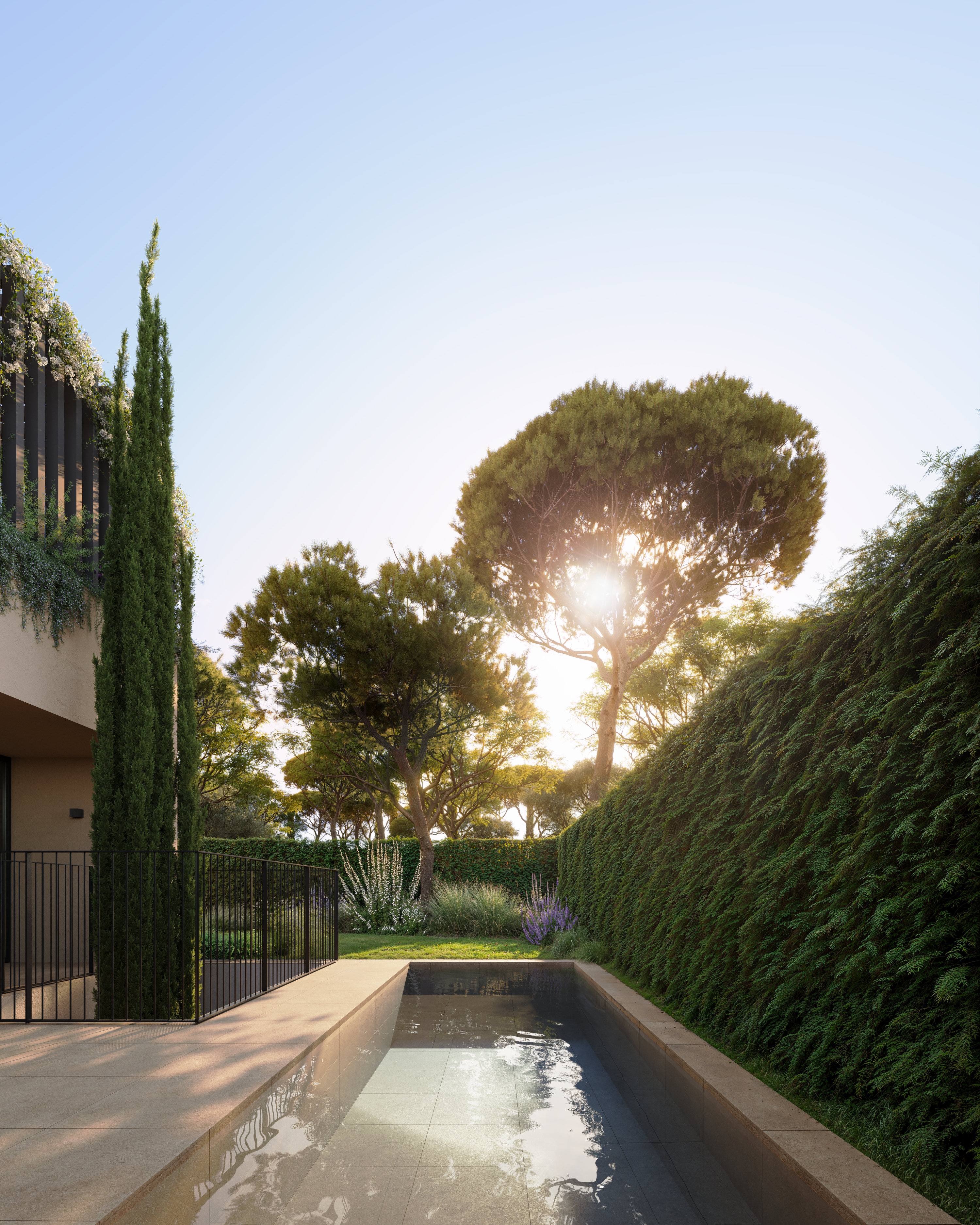
A perspective on materials and the passage of time
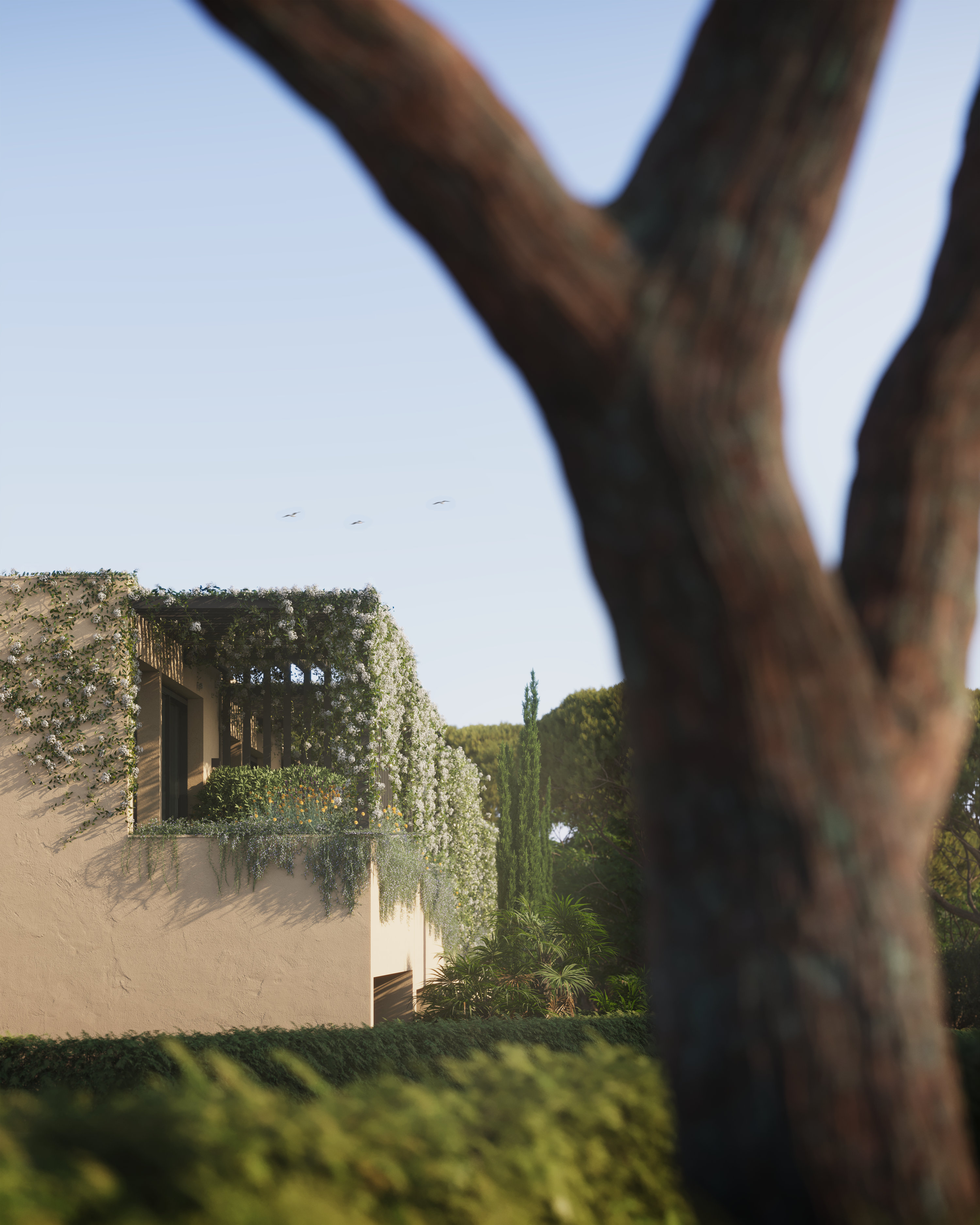
Architecture is slowly understood through time, the changing light, the ageing of materials and the rhythms of daily life.
In much contemporary construction, materials are often expected to remain unchanged. Surfaces are sealed, protected and maintained so that the passing of years leaves as little visible trace as possible.
Architecture that endures follows another understanding. Materials are selected not only for their immediate appearance, but also for the way they respond to climate, light and daily use as time gradually unfolds.
Materials in Their Environment
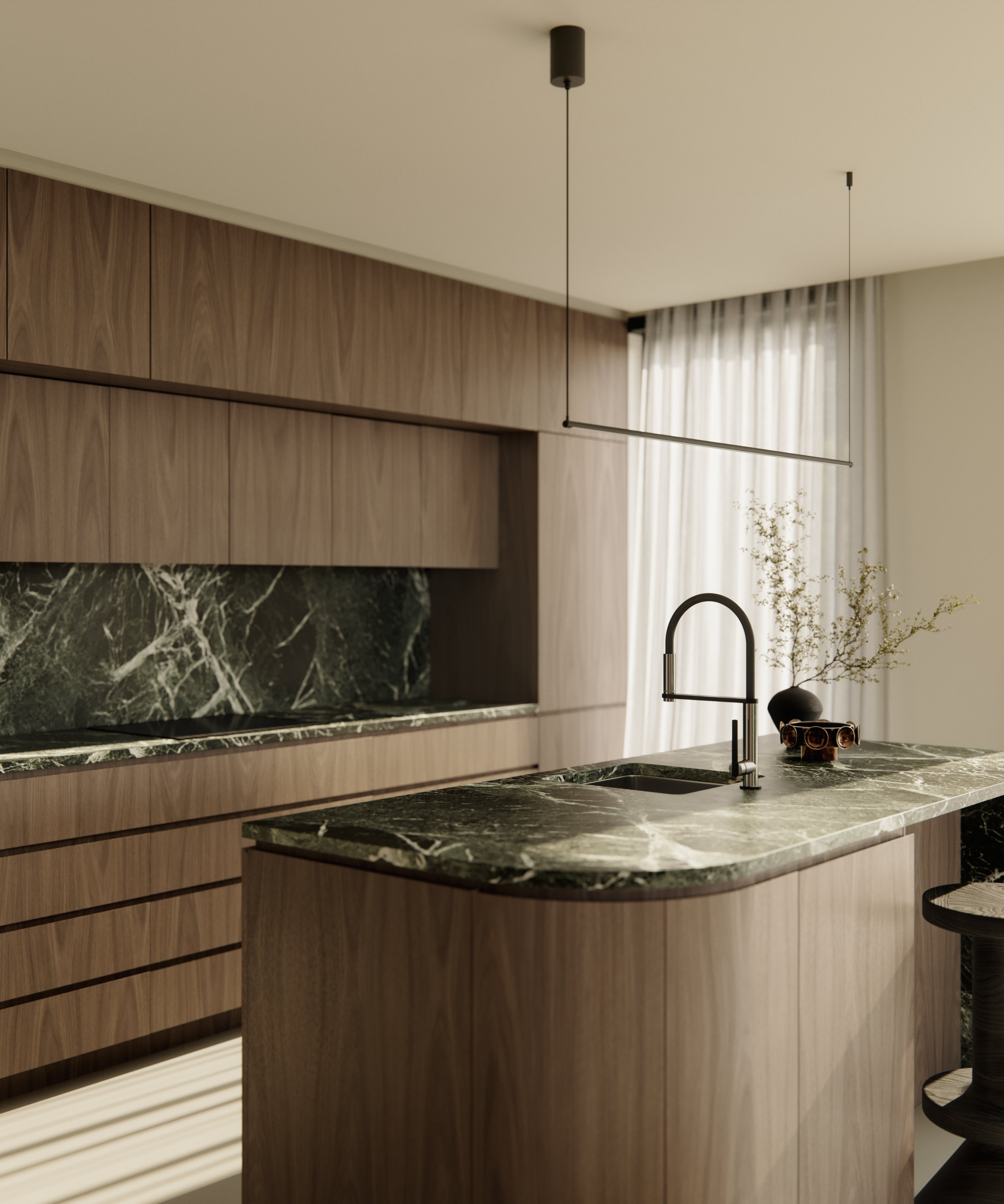
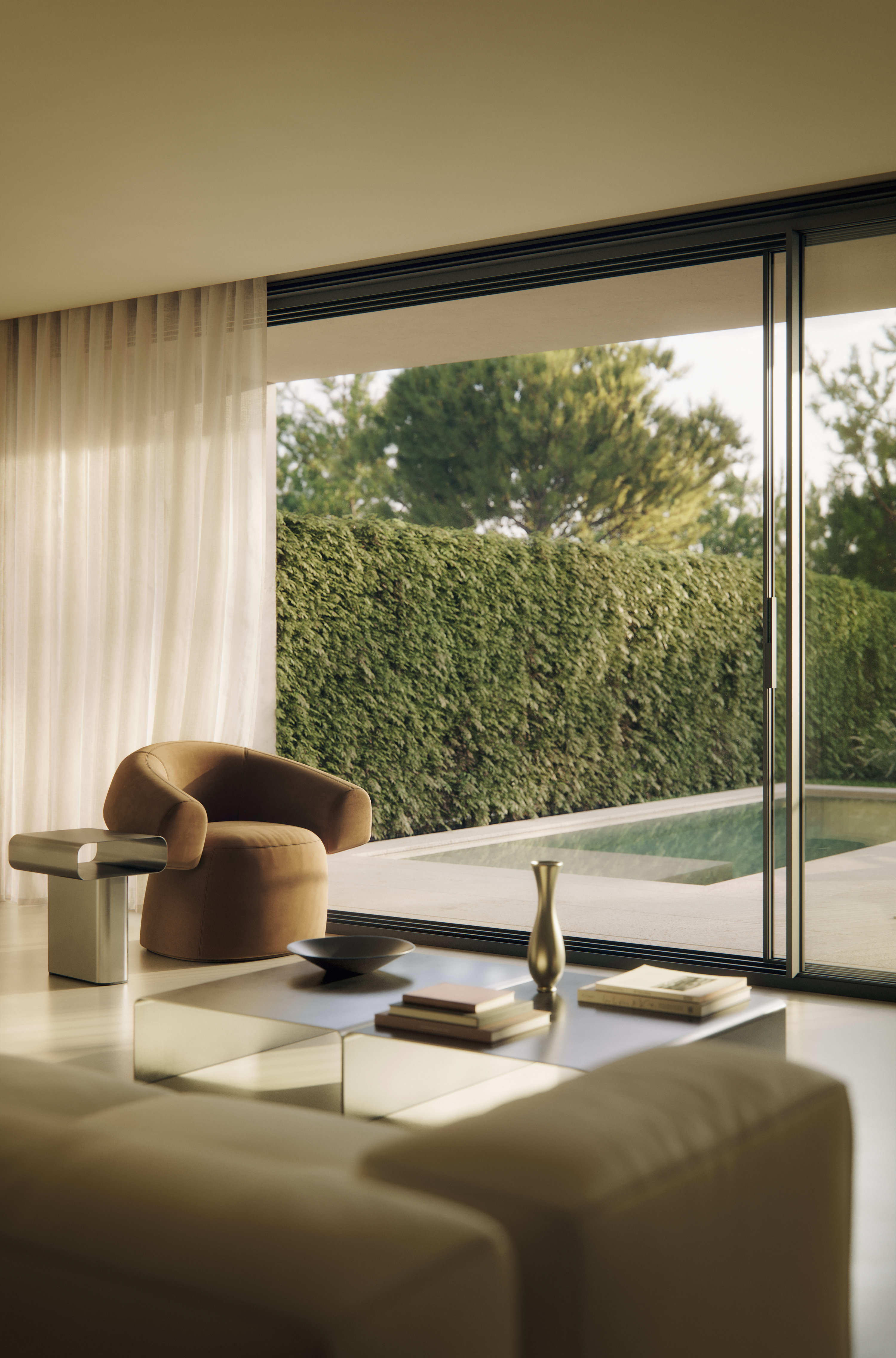
Every material carries its own relationship with light, air and weather. Timber slowly warms in tone as it responds to sunlight and atmosphere. Stone gathers subtle variation across its surface, while metal acquires a softness that reflects the gradual passage of seasons.
These changes are not imperfections. They are signs that the material is responding naturally to the environment that surrounds it.
When architecture works with these qualities rather than attempting to resist them, a building begins to feel more grounded, as though it had always belonged to its setting.
Depth and Permanence
Some materials reveal their full depth only gradually. Surfaces acquire warmth, variation and quiet complexity as the years pass.
What begins as a carefully assembled structure slowly becomes more settled. Edges soften, colours deepen and the architecture gains a presence that cannot exist on the first day of its completion.
This transformation is not deterioration, but the natural life of materials allowed to exist with honesty and patience.
Architecture and Continuity
To design with materials that respond well to time is also to think beyond the moment of construction.
A building does not remain fixed. It continues to exist within its environment, responding to seasons, light, air and the presence of those who inhabit it.
When materials are chosen with care, the gradual passage of time enriches the architecture rather than diminishing it.