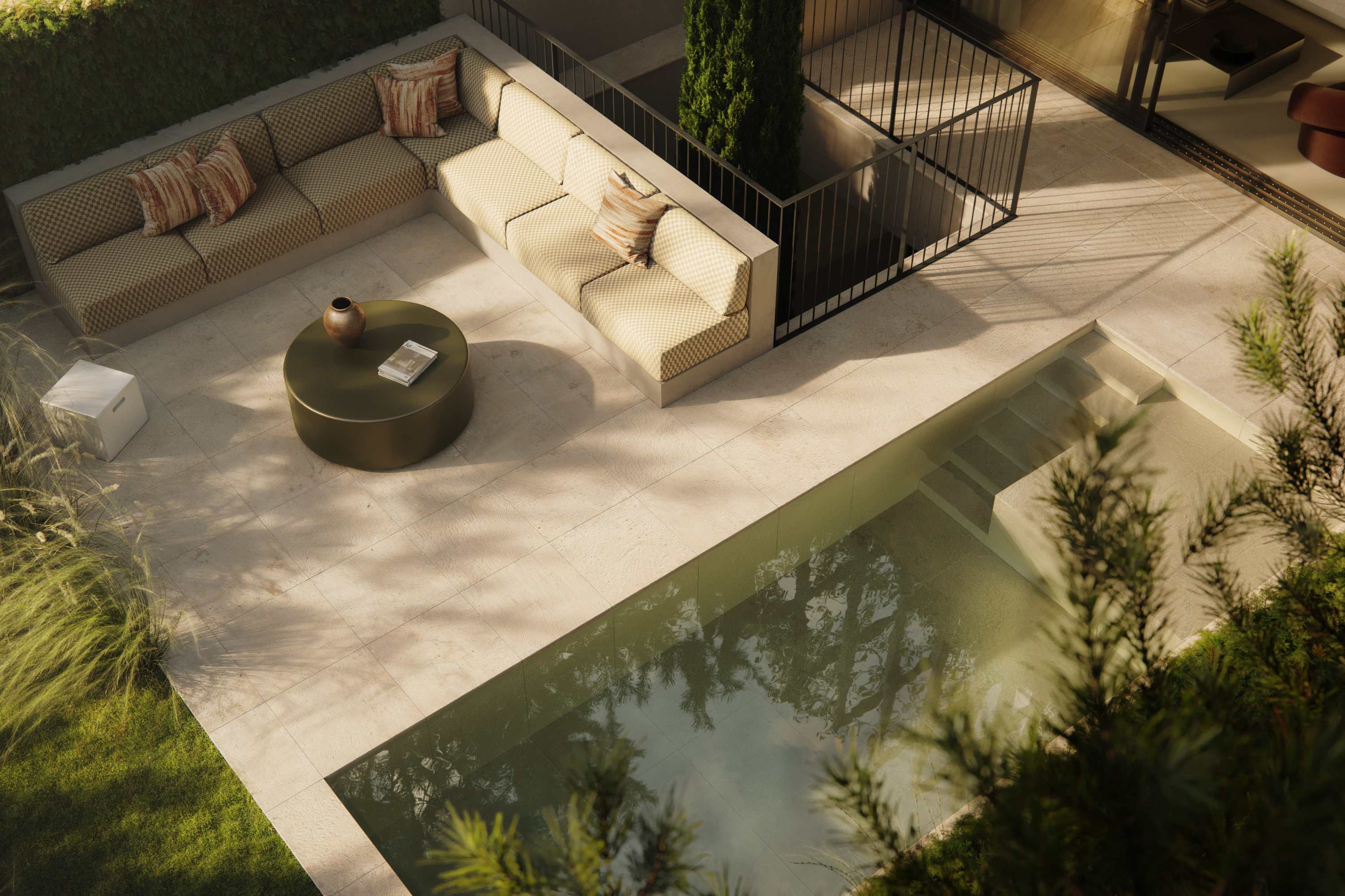
A perspective on architecture and landscape
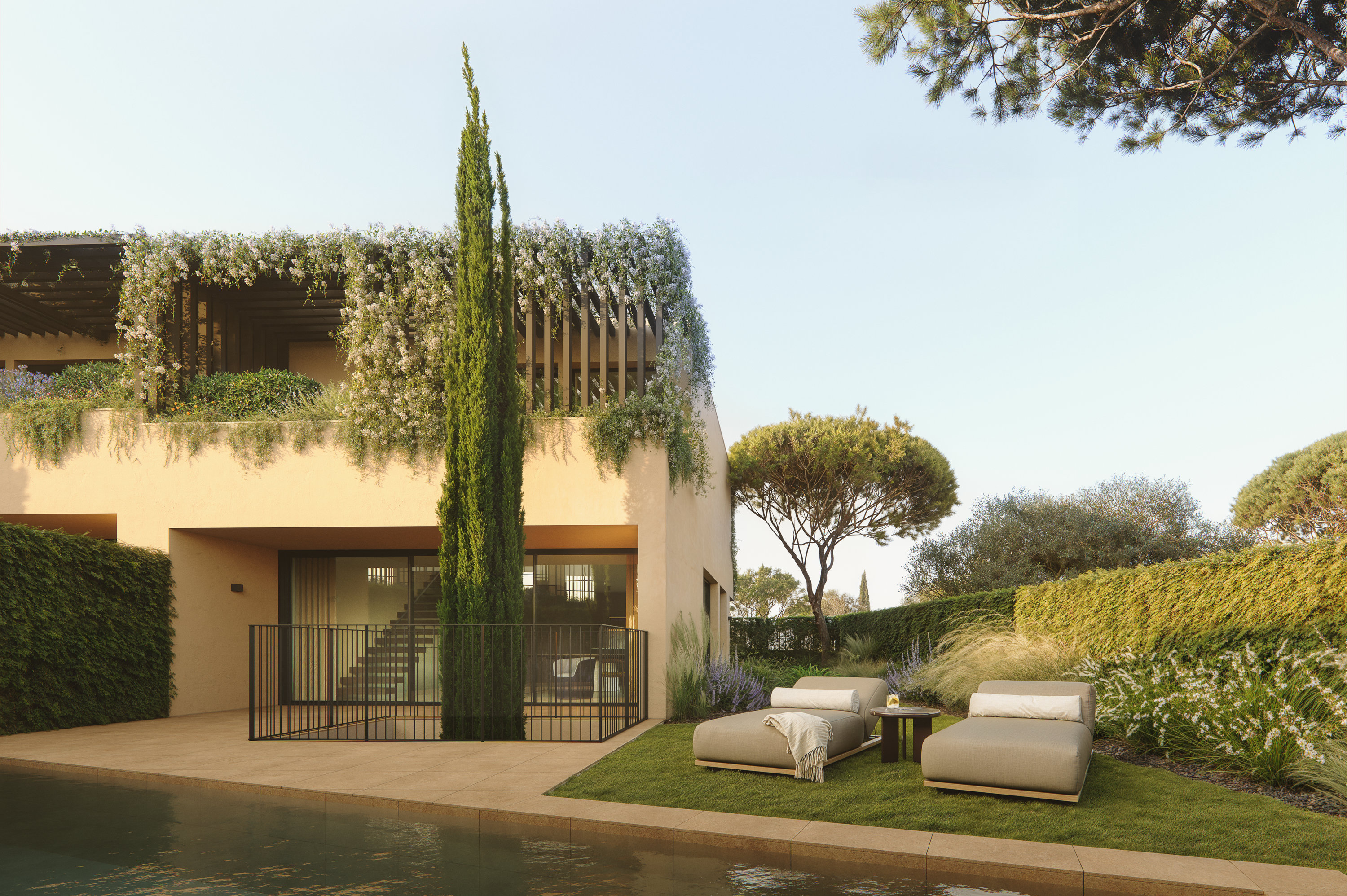
Between architecture and landscape, the garden emerges as another room of the house, open to sky, season and time.
In many conventional understandings of architecture, the garden is treated as something that lies beyond the building, a landscape that surrounds it, softens its presence or provides a distant view. It becomes a background rather than a space to inhabit.
Yet in many enduring architectural traditions the garden is understood differently. It is neither decoration nor scenery. Instead it is composed as a space in its own right, closely connected to the rhythm of daily life.
A Space Without Walls
Like an interior room, a garden can possess proportion, sequence and enclosure. Though open to the sky, it remains a space that is carefully shaped and deeply experienced.
A path may guide movement through planting. Trees and hedges can define edges where walls might otherwise stand. Shade introduces intimacy, while openings frame a single tree, a fragment of sky or the shifting light resting upon stone.
What matters is not the size of the garden but the clarity with which it is composed.
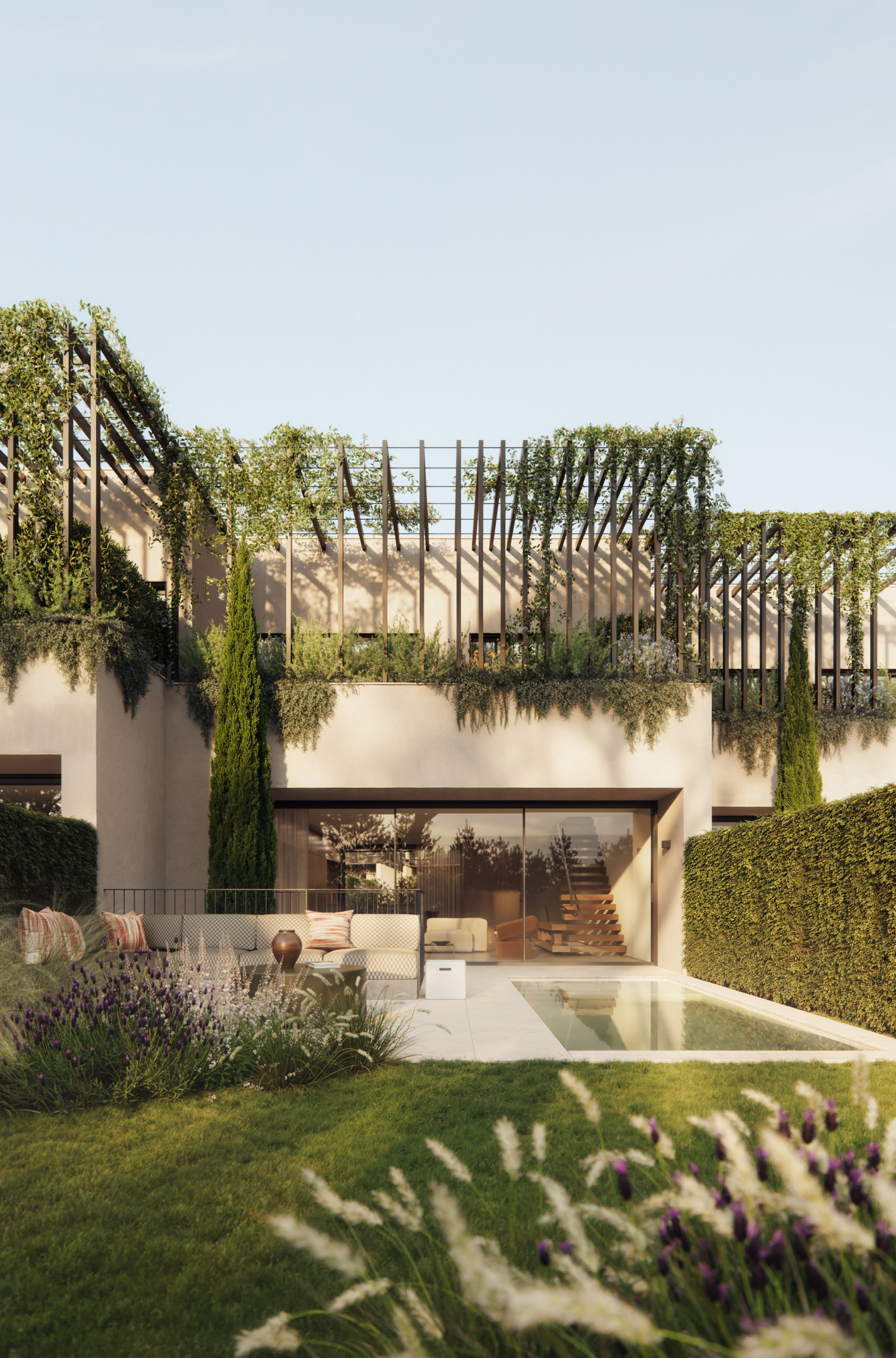
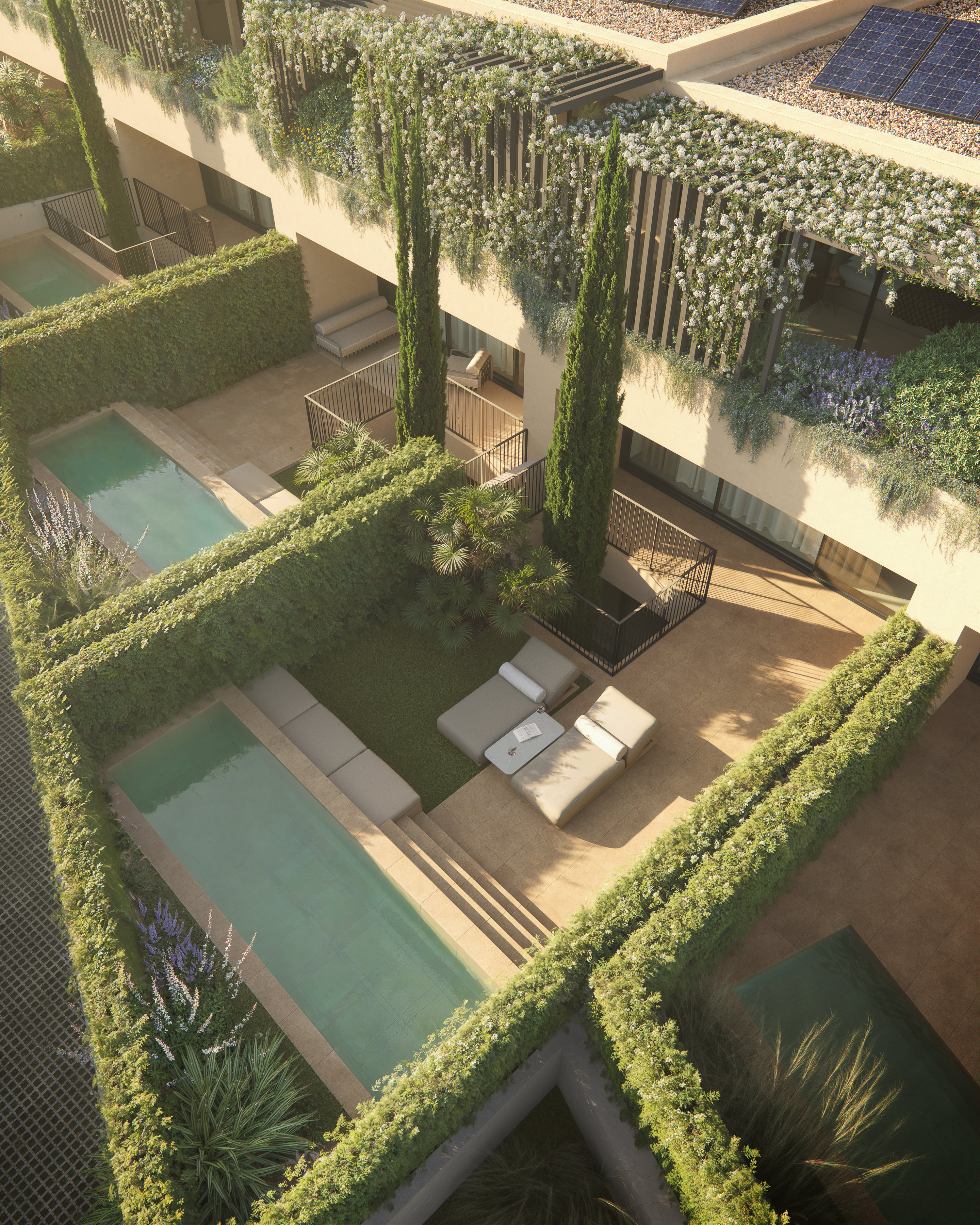
Between Inside and Outside
The garden occupies a unique position within architecture because it exists between worlds. It belongs neither entirely to the house nor entirely to the wider landscape. Instead it forms a gentle transition between shelter and openness.
A room that opens toward planting immediately feels more expansive. A terrace softened by leaves becomes a natural extension of the interior. A courtyard can introduce calm and light into the centre of a home.
In these moments architecture does not end at the threshold. It continues outward through texture, rhythm and living elements.
Nature as Atmosphere
A garden is never entirely still. It changes with the hour, with the season and with the movement of air. Light filters through leaves, shadows move slowly across surfaces and sound becomes softer and more diffused.
This living quality gives the garden a temporal depth that enclosed rooms rarely possess. It is never exactly the same twice, yet it remains part of the architectural setting that frames it.
When shaped with restraint, the garden can hold the same calm order that we associate with well composed interior space.